

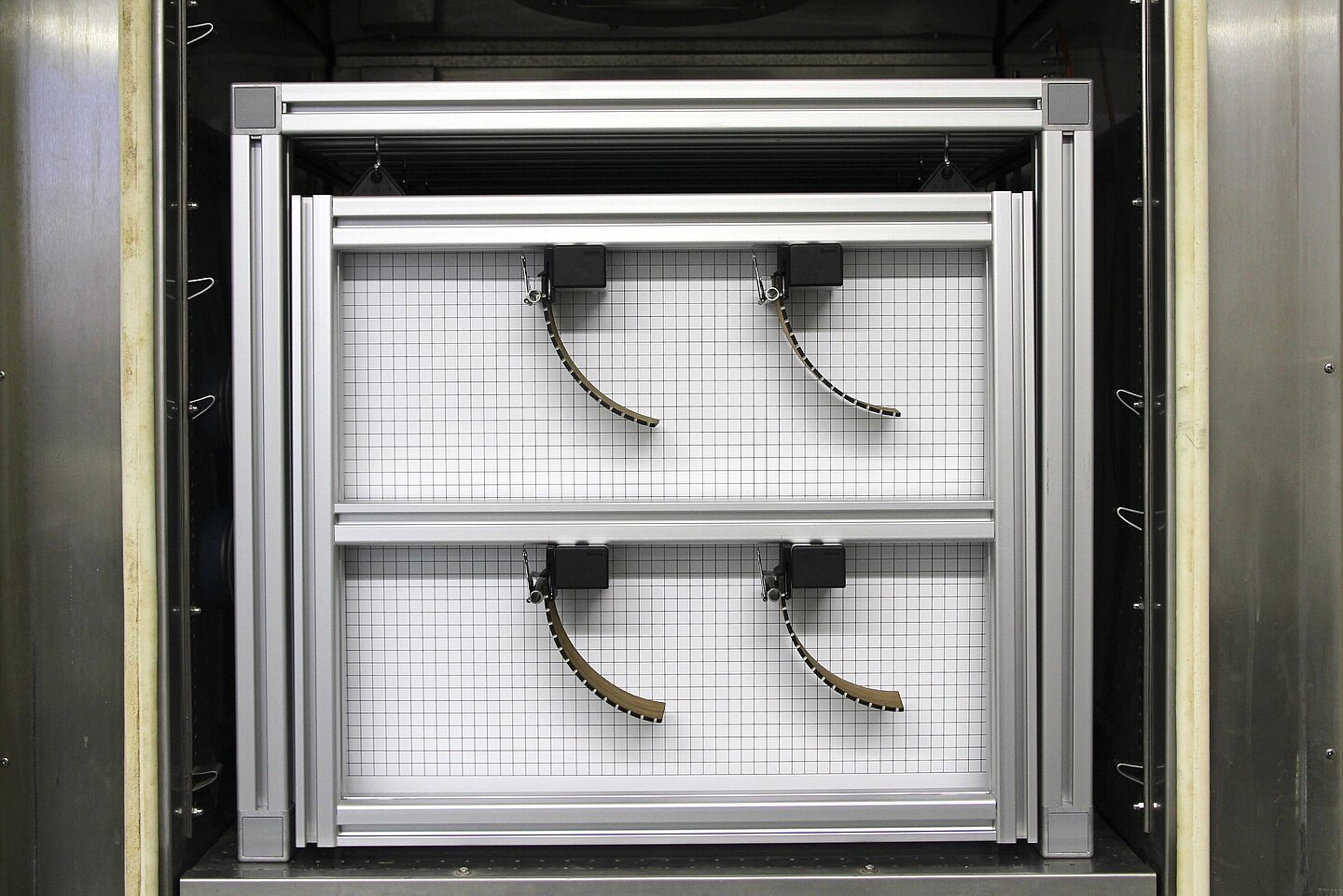
Fig. 1: Experimental setup, mounting box with bi-layer samples © FLEX@HTWK Leipzig, Luisa Sander
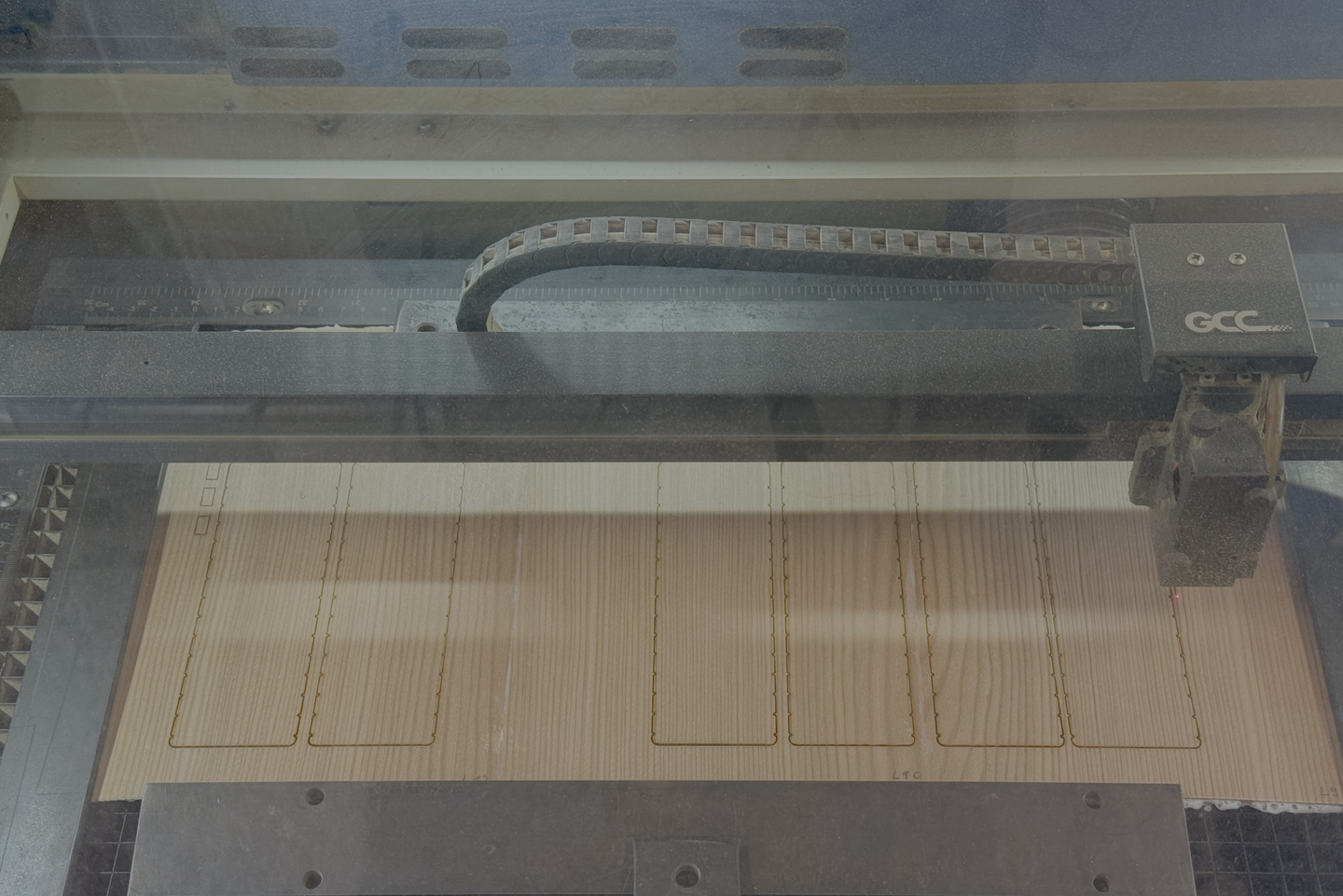
Fig. 2: Bi-layer samples, laser cut © FLEX@HTWK Leipzig, Luisa Sander
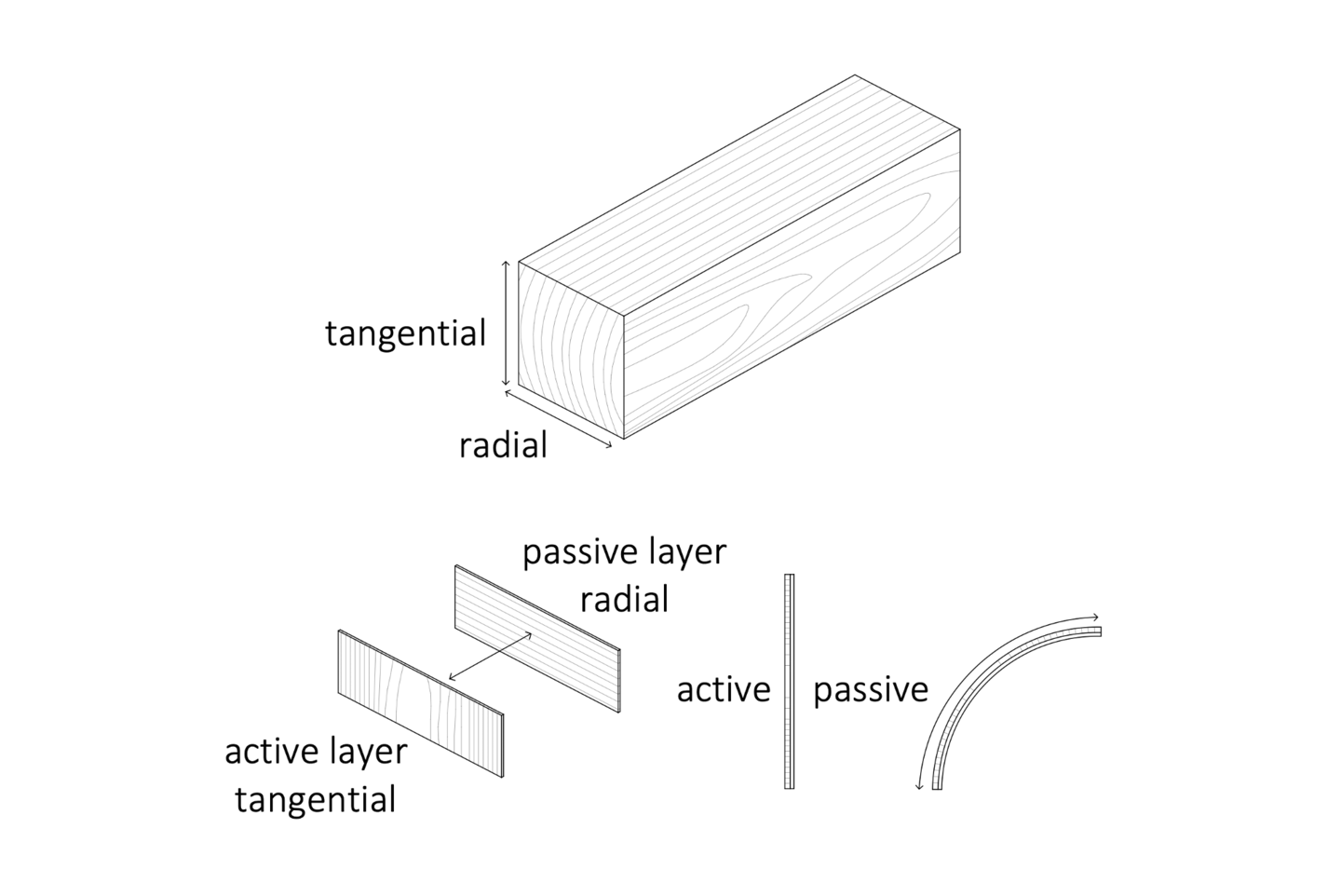
Fig. 3: Bi-layer principle © FLEX@HTWK Leipzig, Luisa Sander
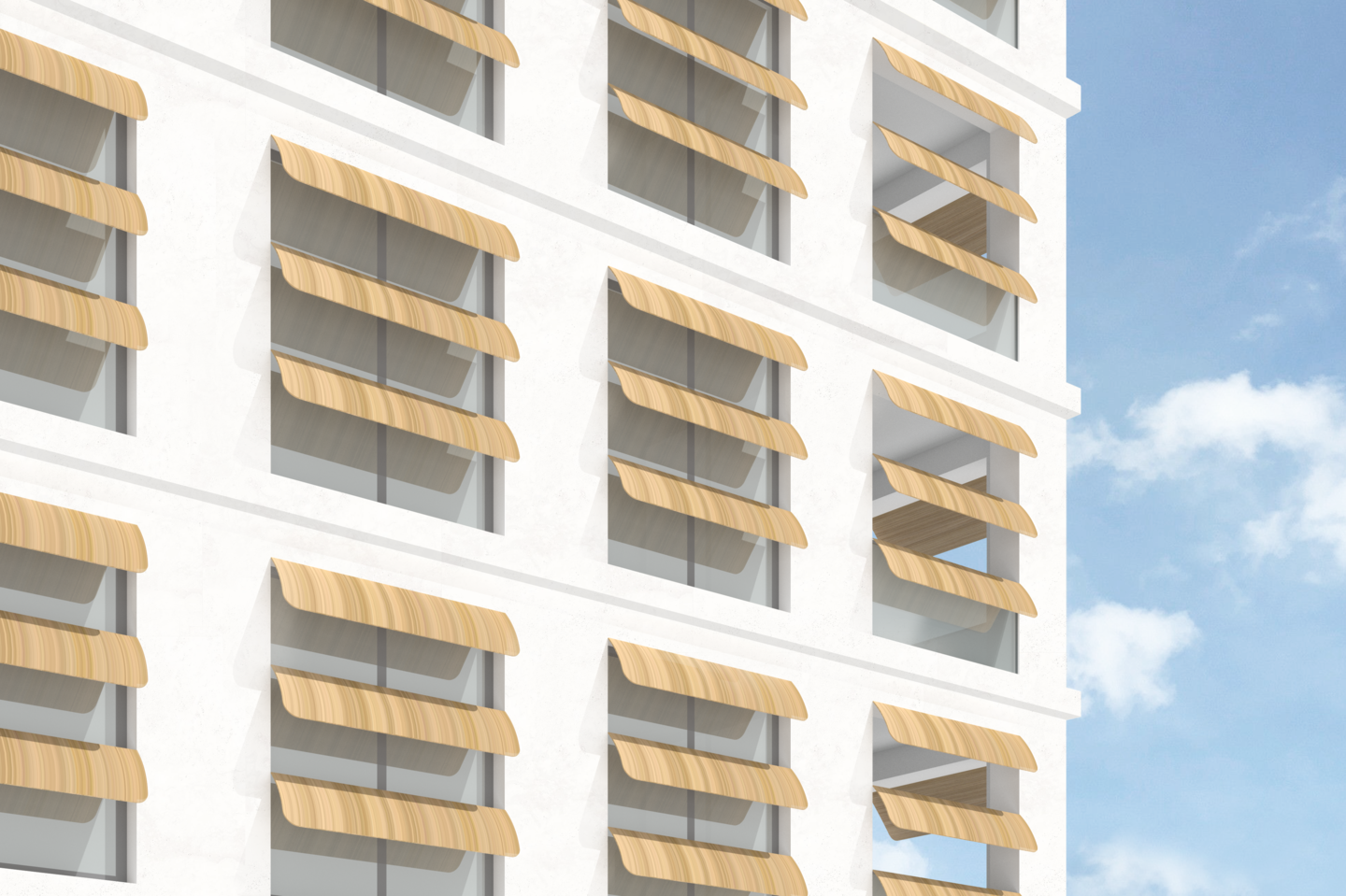
Fig. 4: Exterior perspective, example façade with shading louvres
FLEX@HTWK Leipzig, Luisa Sander
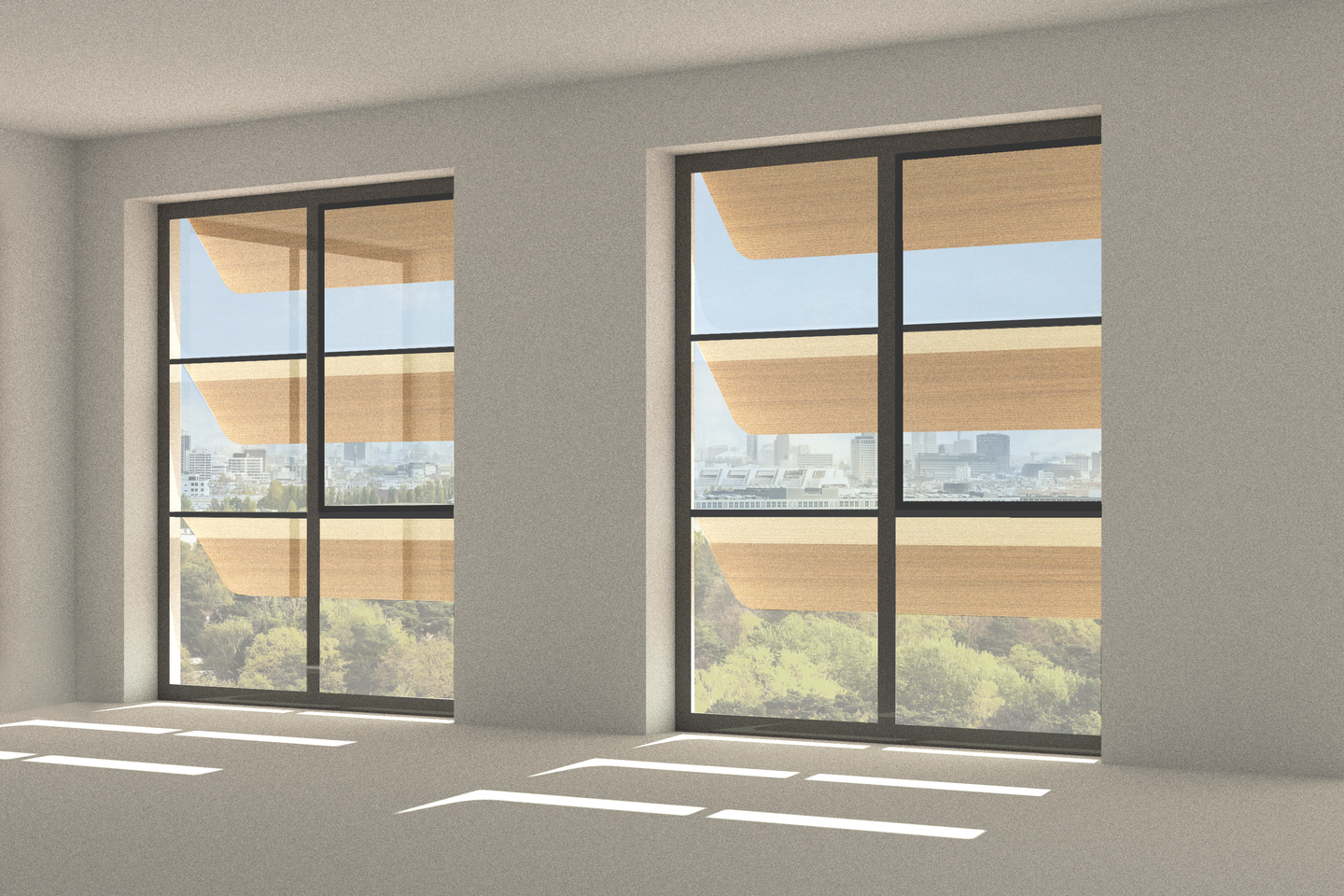
Fig. 5: Interior perspective, window with shading louvres
FLEX@HTWK Leipzig, Luisa Sander
Against the background of increasing climatic requirements for our buildings, the issue of thermal insulation in summer is becoming increasingly important. External shading systems describe a fundamentally correct thermodynamic approach to reducing the energy input in buildings. Nevertheless, they are material and cost-intensive to install and often equally maintenance-intensive to operate and maintain.
The aim of the doctoral project is to develop a climate-sensitive louvre system made of wood veneer that reacts to changes in temperature and humidity without external control. The bionic inspiration for the project was provided by the moisture-related reaction behaviour of pine cones.
The basis for this is a two-layer anisotropic veneer material in which modified layers of hardwood and softwood are combined in varying fibre directions.
The low adhesive content and the targeted combination of a swelling-active and a passive veneer layer with different deformation behaviour support the development of resource-efficient bi-layer structures.
Different sample variants are investigated with regard to curvature behaviour and reaction time in systematically structured climate chamber tests. The subsequent optical imaging of the shape changes forms the basis for a parametric model to analyse and homogenise the relationships between the wood structure and climatic factors.
Keywords:bi-layer, veneer, moisture, temperature, architecture, resource efficiency
